Need a commercial cleanout? Call (336) 518-6659 for a free on-site quote. Same-day and next-day service available across the Triad and Triangle.
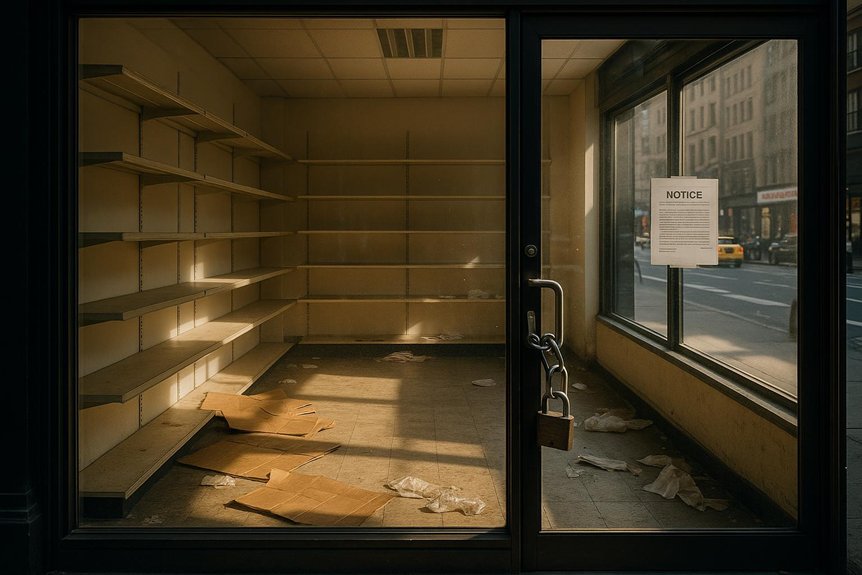
You're tasked with preparing a commercial property for its next chapter, and a post-tenant cleanout checklist is your roadmap. Start by evaluating the property's condition and prioritizing repairs. A deep clean is essential for a fresh start, while safety features need updating. Don’t forget curb appeal—it sets the tone for potential tenants. As you conduct a final walkthrough, documenting every detail, you'll see why this meticulous process is indispensable. Ready to explore further?
Evaluate Property Condition
Before diving into the cleanout process, evaluating the property's condition is essential. Start with a thorough property assessment. Walk through each area, noting any damages or areas needing attention. Use a checklist to guarantee you don’t miss anything.
Pay special attention to common areas and high-traffic zones, as these often require the most scrutiny.
Gather tenant feedback to gain insights into any issues they experienced during their lease. This feedback can highlight problem areas you might overlook.
Document everything meticulously, focusing on structural integrity, cleanliness, and safety issues. Photographs can be invaluable for record-keeping.
Organize Repairs and Maintenance Priorities
Once you've assessed the property's condition, it's crucial to prioritize repairs and maintenance tasks effectively. Start by creating a list of immediate needs versus long-term improvements.
Evaluate the urgency of each task to determine repair scheduling priorities. Address safety concerns first, such as electrical issues or structural damage. Then, focus on functional repairs that impact tenant operations.
Prioritize urgent repairs: address safety concerns like electrical or structural issues before functional tenant-impacting fixes.
For maintenance budgeting, allocate resources based on the importance and urgency of each task. Consider cost estimates and timelines to guarantee efficient use of funds.
Regularly review and adjust your budget as needed to accommodate unexpected repairs. Keep communication open with contractors to stay informed about project progress.
This organized approach guarantees the property remains in top condition, ready for new tenants.
Deep Clean for a Fresh Start
With repairs and maintenance priorities set, turn your attention to a thorough deep clean, guaranteeing the property sparkles for new tenants.
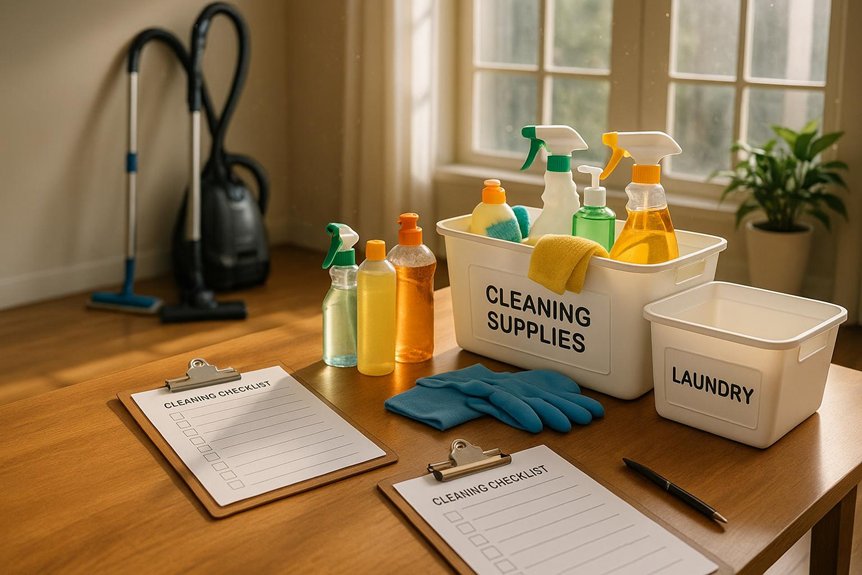
Start with a detailed cleaning checklist to cover every corner. Focus on key deep cleaning techniques: steam cleaning carpets, scrubbing walls, and polishing floors. Pay special attention to high-touch areas like door handles, light switches, and shared spaces.
Don’t overlook air vents and ducts; clean them to improve air quality.
In the kitchen and bathroom areas, use strong disinfectants to eliminate germs. Descale fixtures and make sure all appliances shine.
Windows deserve a streak-free finish, so clean them inside and out for maximum light.
Ensure Safety Features Are Up to Date
As you shift from cleaning to safety checks, make certain all safety features are current and functioning.
Start by inspecting fire safety systems. Test smoke detectors, fire alarms, and sprinklers to verify they’re operational. Replace any expired fire extinguishers and confirm that they’re easily accessible.
Next, evaluate emergency exits. Ensure that exit signs are illuminated and pathways are clear of obstructions. It’s essential to check that all emergency lighting works properly, especially in corridors and stairwells.
Additionally, review evacuation plans and update any outdated information. Keep detailed records of all inspections and maintenance performed.
Boost Curb Appeal
To boost curb appeal, start by revitalizing exterior surfaces with a fresh coat of paint or pressure washing to remove dirt and grime.
Pay attention to landscaping by trimming overgrown bushes, planting seasonal flowers, and ensuring lawns are neatly mowed.
These enhancements create an inviting first impression and can greatly impact prospective tenants' perceptions.
Refresh Exterior Surfaces
Revitalize your property's exterior to instantly boost curb appeal and make a lasting impression.
Start by evaluating the condition of all exterior materials. Identify areas that need attention, such as walls, windows, and doors. Use effective cleaning techniques, like pressure washing, to remove dirt and grime. Choose the right methods for each surface—gentler solutions for wood, stronger ones for concrete.
Inspect the paint and address any peeling or fading areas. A fresh coat can dramatically improve the look of your building.
Check for any necessary repairs, such as replacing damaged siding or cleaning gutters. Don’t overlook signage; clean or update it to guarantee it stands out.
Enhance Landscaping Features
When enhancing landscaping features, focus on creating a welcoming and attractive environment that captivates potential tenants.
Start by evaluating your current landscape design. Identify areas that need improvement or revitalization. Incorporate seasonal planting to guarantee year-round appeal. Choose plants that thrive in your region's climate and consider their maintenance needs.
Upgrade pathways and add decorative elements like benches or planters to create inviting spaces. Ascertain your irrigation systems are efficient to maintain lush greenery without excess water use.
Regularly trim shrubs and trees to keep the area tidy and visually appealing.
Lighting is essential; install energy-efficient fixtures to highlight features and promote safety.
Conduct a Final Walkthrough and Document
During the final walkthrough, inspect the property thoroughly for any damages that may have occurred.
Verify that the tenant has complied with all lease terms, noting any discrepancies.
Capture detailed photos of each room to document the property's condition for your records.
Inspect for Damages
Before handing over the keys, it's vital to conduct a thorough walkthrough to inspect for damages.
As a property manager, you should meticulously assess each area for signs of wear and tear beyond normal usage. This damage assessment helps distinguish between tenant responsibilities and regular maintenance.
Document everything with photos and notes, focusing on walls, floors, ceilings, and fixtures. Check for any unauthorized alterations or neglected repairs that could affect the property's value.
It’s important to be detail-oriented, ensuring that every issue is noted for potential deductions from the tenant's security deposit.
Verify Lease Compliance
As you proceed with verifying lease compliance, make certain to conduct a thorough final walkthrough to confirm the tenant has adhered to all lease terms.
First, review the lease agreements to identify specific obligations the tenant must have fulfilled. Check for alterations or unauthorized modifications to the property, making sure everything aligns with the contract.
During the walkthrough, verify the condition of fixtures, flooring, and walls, noting any discrepancies. It’s vital to compare these observations against the lease terms.
Conducting compliance audits guarantees that any breaches are identified promptly. Document your findings meticulously, noting any areas of concern.
This documentation will be significant for addressing any potential disputes. By staying organized and detail-oriented, you’ll effectively uphold the integrity of the lease agreements.
Capture Detailed Photos
Capturing detailed photos during the final walkthrough is essential for documenting the property's condition.
Begin by systematically photographing each room, guaranteeing you cover all angles. This extensive photo documentation serves as a visual inventory, capturing every detail from floors to ceilings.
Focus on any areas of concern, such as damage or wear, to provide clear evidence for potential disputes. Include close-ups of fixtures, walls, and any unique features.
Use a checklist to guarantee you don't miss critical areas, such as storage spaces or utility rooms.
Organize your photos chronologically or by location for easy reference. This methodical approach not only safeguards you against future claims but also aids in planning necessary repairs or improvements.
Frequently Asked Questions
How Can I Effectively Communicate Expectations With New Tenants?
To effectively communicate expectations with new tenants, start by incorporating tenant onboarding sessions . Use clear communication strategies , like detailed welcome packets and one-on-one meetings, to outline responsibilities and guidelines. Regular check-ins guarantee ongoing clarity. Address questions promptly and establish open channels for feedback . This organized approach fosters a professional relationship, guaranteeing both parties understand their roles and obligations, leading to a smooth tenancy experience.
What Are the Best Practices for Managing Leftover Tenant Belongings?
To manage leftover tenant belongings, first, inventory the items . Communicate with the tenant to confirm their intentions. If they’re unresponsive, follow legal guidelines for disposal methods. Secure and document everything to protect yourself legally. Consider donation or recycling for items with value. Clearly outline disposal methods in your lease agreement to prevent future issues. Always maintain detailed records to guarantee a smooth process and protect your interests.
How Do I Handle Utilities During the Transition Period?
First, contact utility providers to manage utility transfers efficiently. Guarantee all accounts are updated to prevent service interruptions . Schedule the transfer dates between the tenant's move-out and the new occupant's move-in. Confirm with providers that there's no gap in essential services. Keep detailed records of each transfer to streamline future changes. By staying organized, you can maintain seamless operations and avoid potential issues during the change period.
What Digital Tools Can Aid in Streamlining the Cleanout Process?
Use cleanout software and property management apps to streamline the process. These tools help you organize tasks, track progress, and communicate efficiently with your team. You can schedule inspections, manage work orders, and oversee vendor coordination all in one place. Digital platforms offer real-time updates and reminders, ensuring nothing's overlooked. By integrating these technologies, you enhance efficiency and maintain a professional, organized approach to property management.
How Can I Prevent Future Tenant Disputes Over Property Condition?
Conduct regular property inspections and maintain detailed maintenance records. This guarantees you identify issues early and document the property's condition. Use clear, written agreements detailing tenant responsibilities. When a tenant moves in, perform a walkthrough together, noting any existing damages. Upon move-out , compare conditions using your records. This organized approach minimizes misunderstandings and provides clarity, helping prevent disputes over the property's condition.
Related service: Commercial Cleanout services →